Lots of foods and drinks are falsely accused of being linked with causing cancer. The only people who can actually determine if it’s linked with cancer is, “The World Health Organization’s International Agency for Research on Cancer” (IARC). They do the research on how much a carcinogen is likely to cause cancer from food or drinks. Then they separate the food and drinks into five different categories which are, known, probable, possible, unclassified and probably not carcinogenic.
Foods that are Falsely Accused of Being Linked with Cancer:
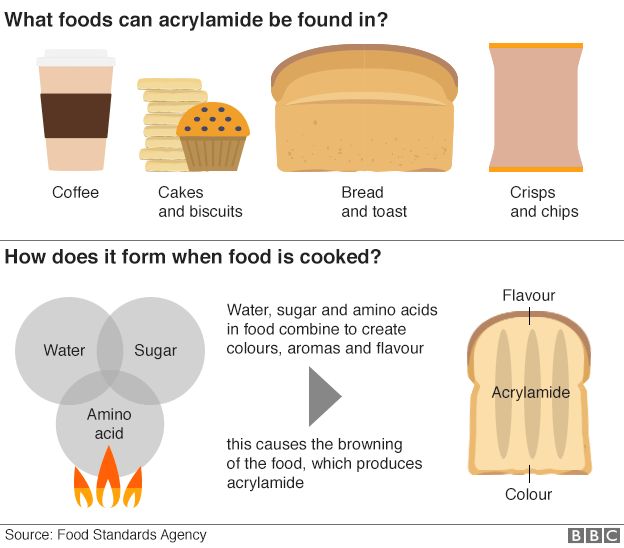
The first thing that is falsely accused is, acrylamide, which is a naturally made chemical when starchy foods are cooked at a high temperature for a long time. Foods that can have this chemical are, biscuits, coffee, bread or fried potato chips. It’s accused of being linking with cancer because the chemical could interact with a person’s DNA, but there is no evidence for most cancer types that this could be a cause. The research shows that it’s very weak and there is no consistency regarding if it does or not.
Another food that is accused of being linked with cancer is tomatoes. Tomatoes have a chemical named, lycopene which can is an antioxidant that take out all the free radicals associated with DNA. Although it’s known that it can help reduce cancer in the prostate, it was also thought by people that it could also might mess with other DNA that was valuable. When in reality, it doesn’t at all and actually just reduces the risk and allows the body to get the vitamins it needs.
Foods that are actually a Cause Factor for Cancer:
A fairly known cancer cause is, alcohol. When the body metabolizes alcohol it produces a chemical compound known as, acetaldehyde which damages DNA. The more a person drinks the more risk they have of developing different types of cancer like, head and neck, esophageal, liver, breast and colon. Researchers and doctors understand that a lot of people drink for social or to have with dinner, but that means limiting it to one serving a day for a woman and no more than two servings a day for a man. A serving can be 12 oz of beer, 5 oz of wine, and 1.5 oz of liquor.
Another common food that is a major risk for causing cancer is processed meats. This can be any processed meats including, bacon, hot dogs, pepperoni, salami and cured or smoked meats. If someone were to eat 50 grams a day of processed meats the risk for colorectal cancer would increase by 18%. These processed meats contain nitrates which is cause toxicity and make it hard red blood cells to carry oxygen because nitrites oxidize the iron component. Researchers say right now it is linked with cancer, but the research is still ongoing.
One of the drinks that I didn’t know cancer, but it does, is very hot beverages. The International Journal of Cancer, reported that drinks that are over the temperature of, 140 degrees can cause severe damage to the lining of the esophagus because of the thermal damage to the cells. This results in esophageal cancer. Most restaurants and cafes make sure there hot beverages are cooler than 140 degrees, but just always be careful.
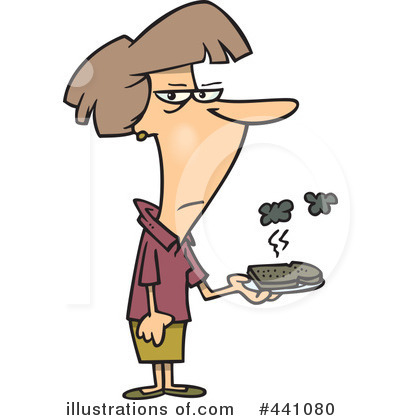
The last food that I will mention that can cause cancer, is either overcooked or burnt food. This mostly targets meats, but it can vary regarding foods. What happens is when the food gets overcooked or burnt two chemicals can form called, heterocyclic amines and polycyclic aromatic hydrocarbons. These chemicals are formed by amino acids, sugars and creatine being at such high temperatures. By consuming these chemicals someone could develop ovarian and endometrial cancers.
Conclusion:
In conclusion, someone should always be aware of what they’re putting into there body because they never know what the outcome could be and how sever it could be. But also don’t always believe everything on the internet because there is a lot of foods and drinks that are claimed to be linked with cancer when, in reality they’re perfectly fine. A few simple solutions to eating the right foods is an expert in the grocery store, referring to the IARC to see what is an actual cancer risk, and being informed about what’s right and wrong to put in the body.


 Chloe's Food Blog